If you’ve ever felt like the healthcare system is working against you, you’re not imagining it.
My name’s Jennifer Rice and I’ve spent more than two decades in wound care, first as a registered nurse caring for patients with complex wounds, and for the last 18 years as a nurse practitioner helping people navigate every corner of the wound care system.
Today, I serve as a Regional Clinical Director with Rebirth Advanced Healing in South Carolina, where I continue to see firsthand the real-world challenges patients face when trying to heal.
I’ve also trained the next generation of clinicians as the FNP and DNP program coordinator at a major university, teaching them how to assess, manage, and treat wounds using the latest evidence-based guidelines.
And after all these years, one thing is clear: patients with wounds still face too many unnecessary barriers to healing.
In this article, I’ll share some of the most common problems I’ve seen—and more importantly, what can be done to avoid them. Because while the system isn’t perfect, better care is possible. At Rebirth Advanced Healing, we see it every day.
Transportation Barriers
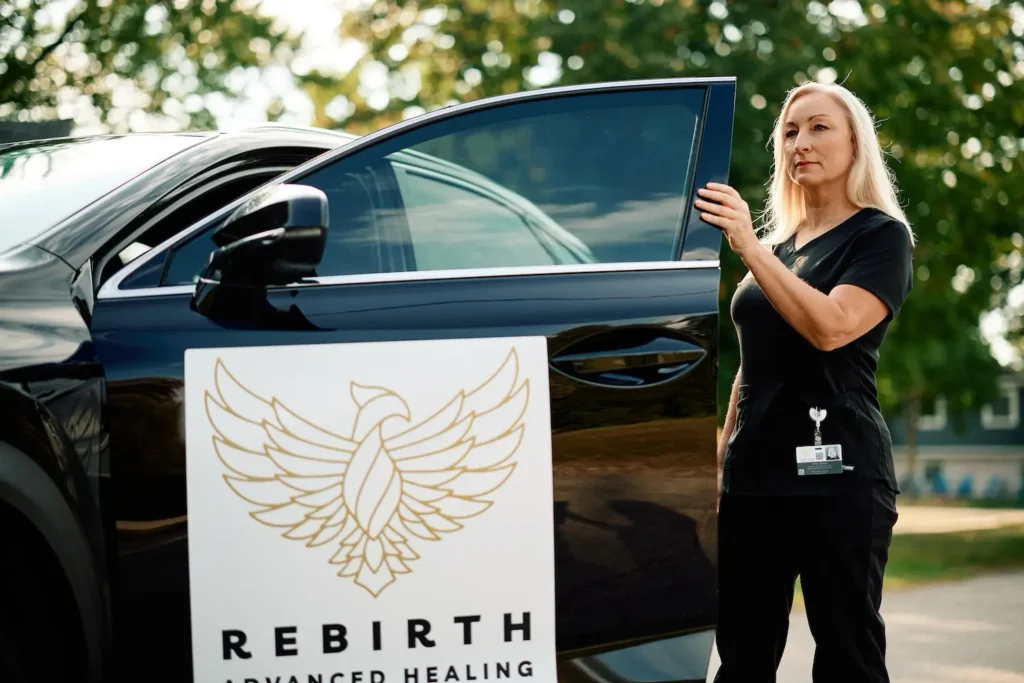
Getting to care should never be the hardest part of healing, yet for many patients it is. Nearly 6 million adults in the United States delay medical treatment each year because of transportation challenges. Older adults, people with chronic conditions, and those who live in rural areas are especially affected.
Many wound care centers require weekly office visits. When patients miss those appointments due to transportation issues or other barriers, wounds often go untreated. This delay increases the risk of infection, hospitalization, amputation, and other serious complications.
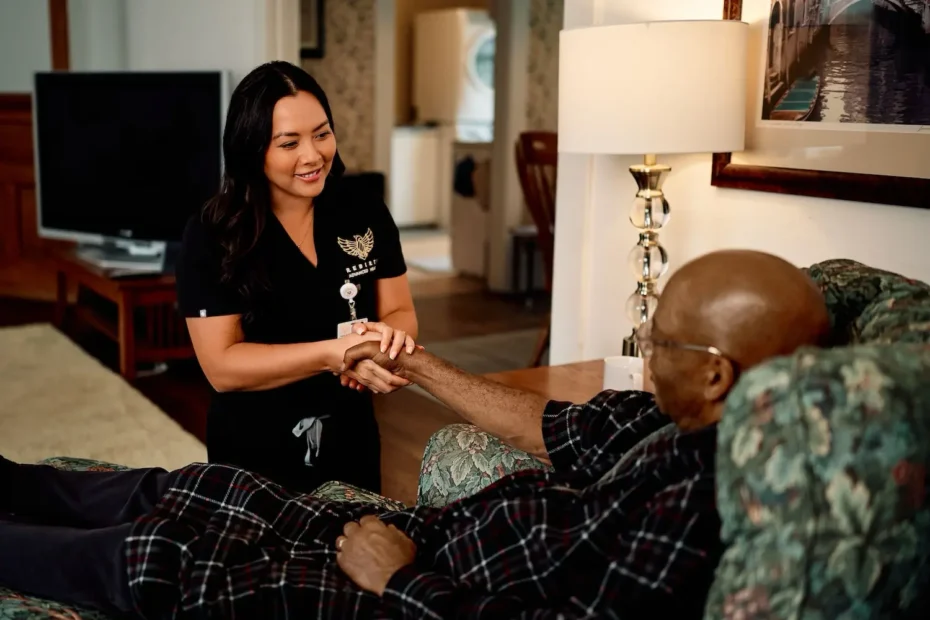
At Rebirth Advanced Healing, we remove this barrier by bringing advanced wound care directly to patients in their homes.
Insurance Denials
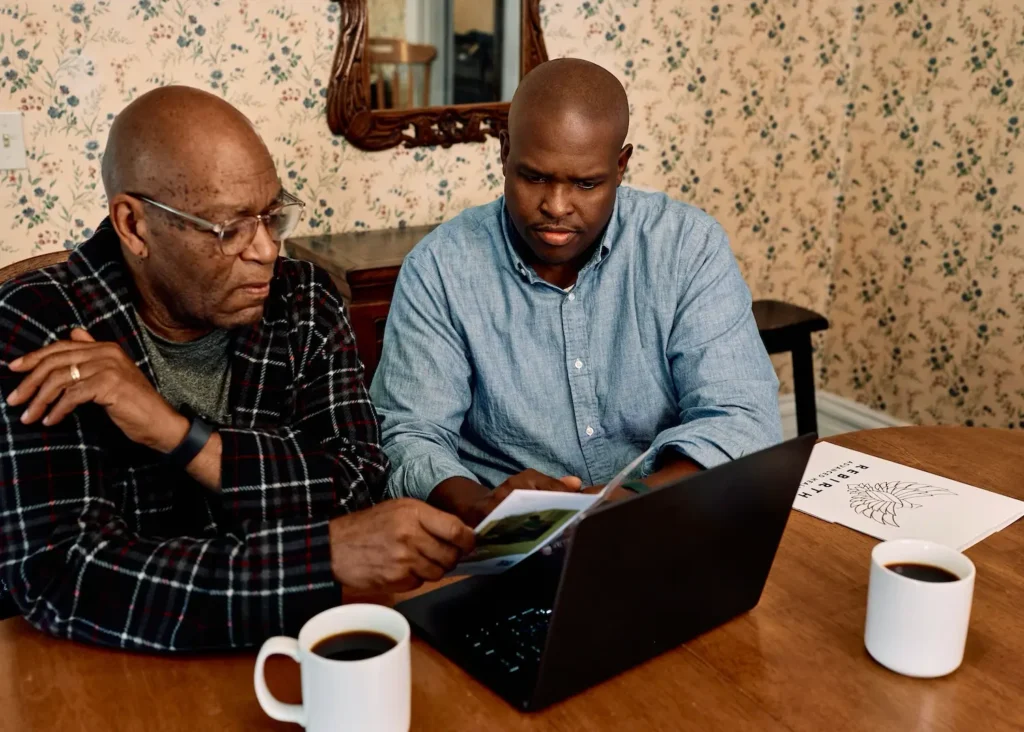
Many seniors enroll in Medicare Advantage plans believing they will receive more benefits than with traditional Medicare. Unfortunately, that is not always the case. A recent study found that one in three Medicare Advantage members had at least one healthcare claim denied, often for services that would have been covered under traditional Medicare.
These denials can delay essential treatments and leave patients unaware of how frequently claims are rejected, since this data is not easily available to the public. In wound care, those delays can have serious consequences. Some advanced treatments are not reimbursed at the same rate — or at al l— under certain Medicare Advantage plans.
Our team typically sees advantage plans denying advanced treatments using amniotic grafts.
Related: Do Wound Patients Pay Out of Pocket for Skin Substitutes?
At Rebirth Advanced Healing, our team verifies every patient’s coverage before treatment begins to prevent unexpected costs or delays in care.
Slow Healing With Standard Wound Treatments
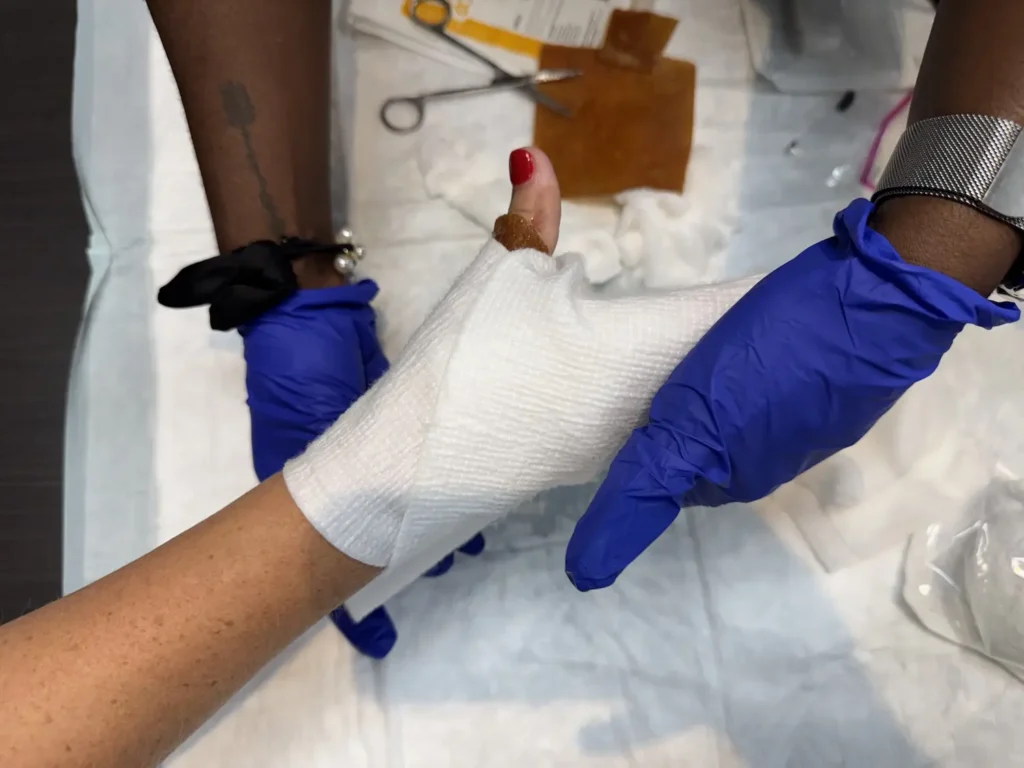
Standard treatments can help many wounds improve, but they often take far too long to achieve full healing. Research shows that advanced therapies like amniotic grafts can accelerate recovery four to six times faster than standard care.
In one study of patients with diabetic foot ulcers, 80 percent of wounds treated with amniotic grafts healed in an average of 40 days. By comparison, only 20 percent of wounds treated with standard care healed in about 77 days.
Faster healing means fewer complications, less pain, and a quicker return to normal life.
At Rebirth Advanced Healing, our clinicians use evidence-based biologic treatments that help wounds close faster and stay closed. To date, we’ve reported a 98.8% wound improvement rate — a statistic far ahead of national benchmarks.
Bad Actors in the Mobile Wound Care Space
Unfortunately, not every organization in the mobile wound care space operates with a high level of integrity. Some have billed for services that were not medically necessary, which contributes to wasteful Medicare spending and damages trust within the industry. And thankfully, the Department of Justice has rightly indicted those fraudulent business owners.
At Rebirth Advanced Healing, our clinical and compliance teams are committed to doing things the right way. Every patient case is reviewed carefully, and weekly chart audits ensure that all services meet Medicare’s standards for medical necessity.
Integrity guides every decision we make. While we want to help as many patients as possible, not every individual is a candidate for advanced wound care. Our goal is to provide the right treatment to the right patient at the right time.
Limited Awareness of Advanced Wound Care Options
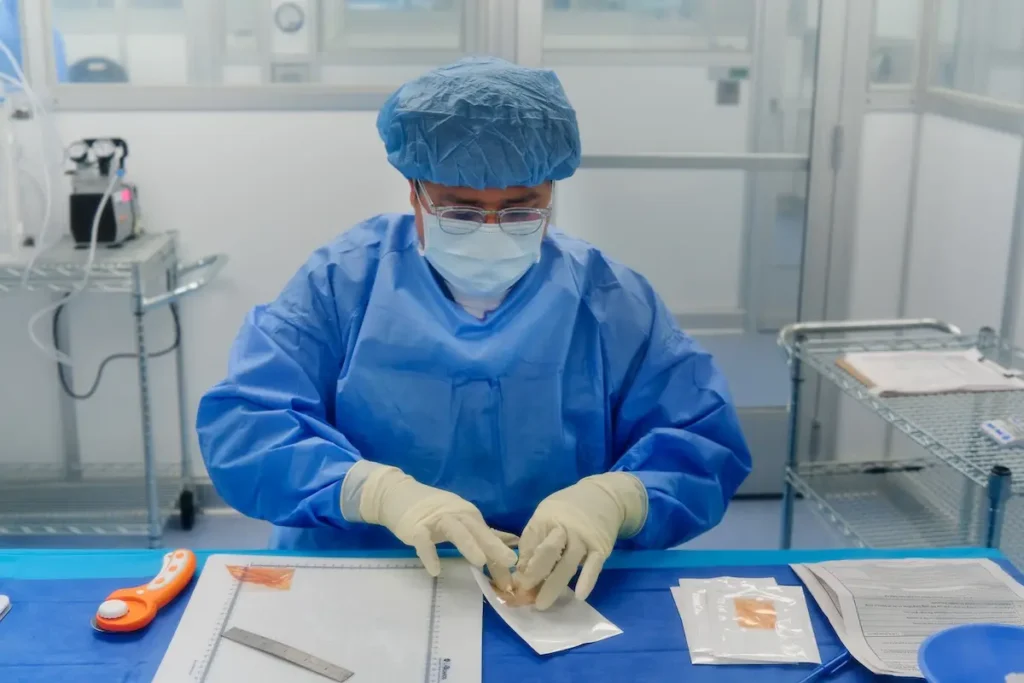
Many home health and primary care providers I meet have never heard of using amniotic grafts to accelerate wound healing. Most are surprised to learn that these biologic treatments have been used since the 1990s and that patients with chronic wounds can now receive advanced care right in their homes.
This lack of awareness affects both providers and patients. In rural areas especially, many clinicians rely on virtual visits, which makes it nearly impossible to fully assess wounds that require hands-on care. By visiting patients in their homes each week, I can be the eyes and hands for the providers who cannot be there in person.
Patients are often just as surprised to learn that they can self-refer for mobile wound care services. Many do not realize they have options beyond standard treatments or that a referral from their primary care provider is not always required if their insurance covers the visit.
At Rebirth Advanced Healing, we work closely with each patient’s care team to ensure everyone is informed, aligned, and confident in the plan for healing.
Limited Insight from Office-Based Visits

When I visit a patient’s home, one of my main goals is to identify the factors that may be slowing their healing. I often review nutrition labels, demonstrate how to relieve pressure from wounds, and educate both patients and families about how compliance improves healing and overall health.
The extended time I spend with each patient makes a difference. During a traditional office visit, a patient may spend only 20 minutes face to face with their provider. In the home, my initial assessment usually lasts an hour or more. That time allows for education, questions, and personalized guidance that simply cannot happen in a rushed clinic setting.
Having treated wounds in both environments, I can say with confidence that in-home care provides a far clearer understanding of a patient’s daily challenges. It allows me to see the full picture and address the barriers that might otherwise go unnoticed.
At Rebirth Advanced Healing, this level of one-on-one care is what helps our patients heal faster and stay engaged in their recovery.
Gaps in Support After Hospital Discharge
Many of our referrals come from hospital discharge coordinators who recognize that some patients will struggle to attend weekly wound care center visits. Once our providers visit these patients at home, we often uncover additional needs that were not obvious in the hospital setting.
Our team has helped coordinate home health services, connected patients with primary care providers, arranged caregiver support, and even assisted in creating safer living environments for those living alone.
When we enter a patient’s home, we do more than treat a wound. We become advocates, educators, and partners in care. Our role extends beyond healing tissue—it’s about helping patients regain independence and quality of life.
At Rebirth Advanced Healing, we take pride in bridging these gaps so that every patient receives the support they need to truly heal at home.
Take Control of Your Healing Journey
The truth is that most patients are doing everything they can to heal, yet the system often gets in their way. Missed appointments, slow treatment plans, and insurance delays all add up to one thing: more time spent living with a wound that should already be healing.
If you or someone you know is struggling with a chronic wound, request a consultation today and learn how home-based advanced wound care can change your recovery story.
Disclaimer: This article is for educational purposes only and is not medical advice. For personal recommendations, please speak with your healthcare provider.