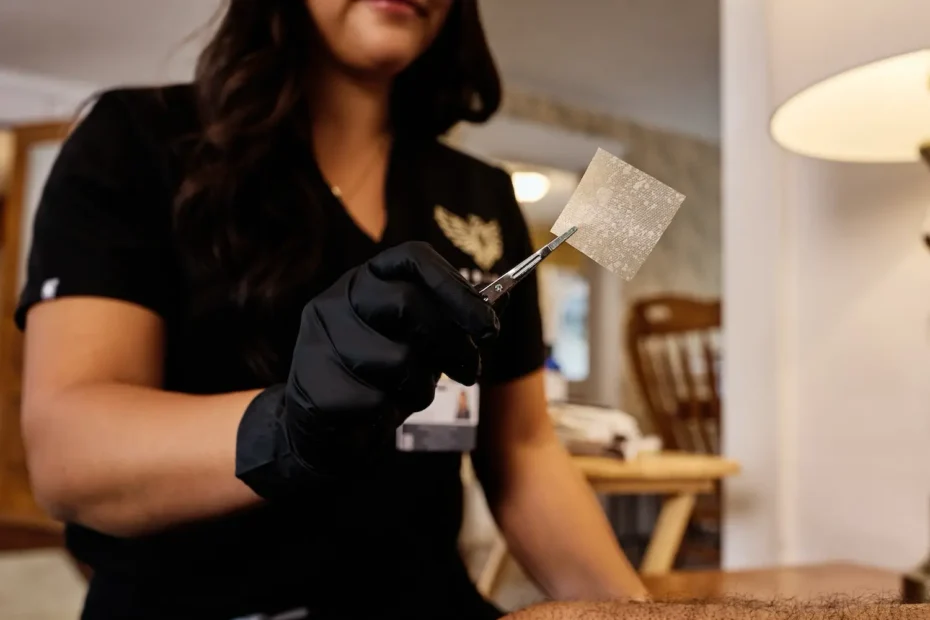
Every day, millions of people struggle with chronic wounds that refuse to heal. It’s a challenge that costs the U.S. healthcare system more than an estimated $30 billion annually, but that true cost extends far beyond medical expenses. For patients and their families, these wounds mean lost wages, limited mobility, and an exhausting cycle of appointments and setbacks.
Among the most promising innovations in advanced wound care are amniotic grafts. These tissue-based biologics, derived from the amniotic membrane of the placenta, provide a natural scaffold that supports the body’s healing process, reduces inflammation, and promotes new tissue growth. Unlike many other biologic products, the body’s immune system doesn’t reject them, and complications are rare.
My name’s Jenna Bishop, and I’m the Vice President of Clinical Operations at Rebirth Advanced Healing. I’ve seen firsthand how these grafts can transform outcomes for patients with long-standing, non-healing wounds. My background as a Family Nurse Practitioner (FNP-C) with a Master of Science in Nursing (MS, RN) allows me to bridge the science with clinical experience, helping providers and patients understand when and why these advanced treatments make sense.
That said, not every wound or patient is a candidate for these grafts. For example, we cannot use amniotic grafts for patients on hospice, those with active infections, like osteomyelitis, or wounds where the tissue bed cannot be visualized or has significant tunneling.
Ongoing studies continue to refine our understanding of how, when, and for whom these grafts deliver the best outcomes. And of what we’ve seen, the results are pretty remarkable.
Disclaimer: This article is for educational purposes only and is not medical advice. For personal recommendations, speak with your healthcare provider.
What Is an Amniotic Graft for Wound Care?
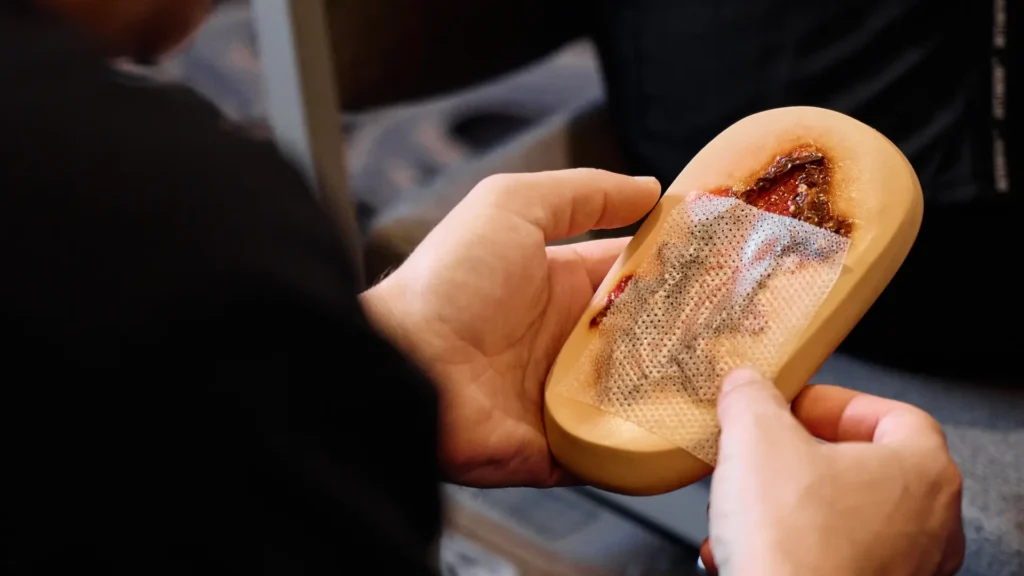
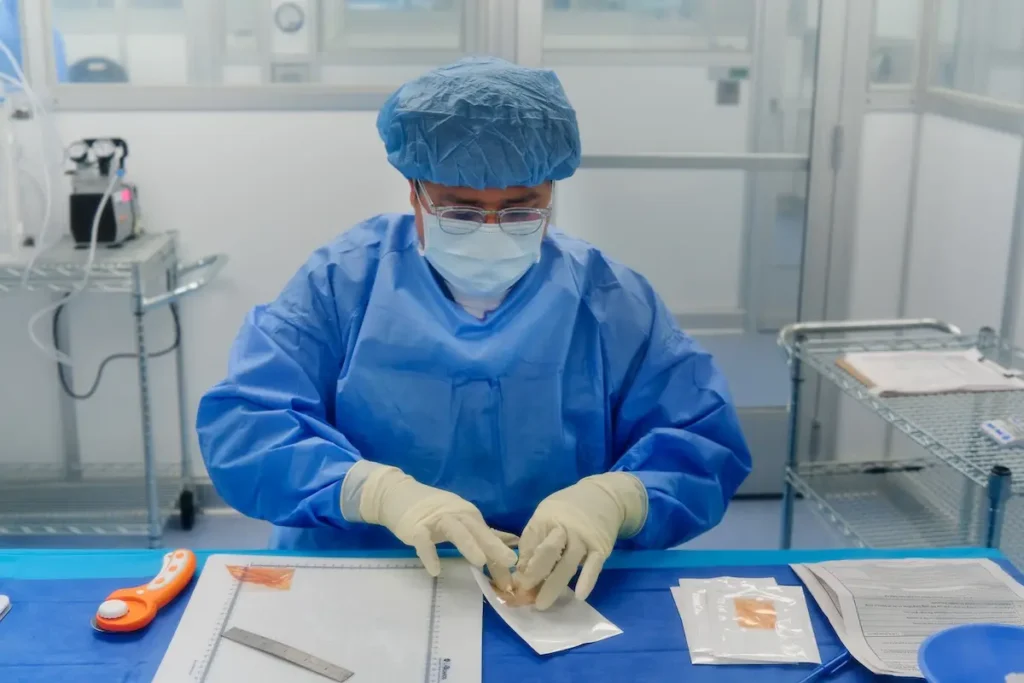
Amniotic grafts come from a placenta donation by an eligible mother via a pre-planned full-term c-section. The donated tissue then undergoes a highly-regulated process where the amnion and chorion layers are separated and sterilized to ensure safety.
The beauty of this process is that the same life-giving system that protected and nourished a baby can be repurposed to help chronic wounds heal. For instance, we know babies who undergo surgery in the womb don’t develop scar tissue afterward. One proposed reason is that the amniotic membrane maintains high levels of hyaluronic acid and growth factors. These two key components promote tissue regeneration and reduce inflammation.
Through modern science, we can now apply that same biological advantage directly to a patient’s chronic wound. The amniotic membrane provides a natural, biologically active scaffold that helps the body repair itself faster and more completely.
These grafts are also immunogenic, meaning they are very unlikely to trigger an immune response or be rejected by the body. Complications are extremely rare, making amniotic grafts one of the safest and most effective biologic treatments available in advanced wound care today.
How Do Amniotic Grafts Help Wounds Heal?
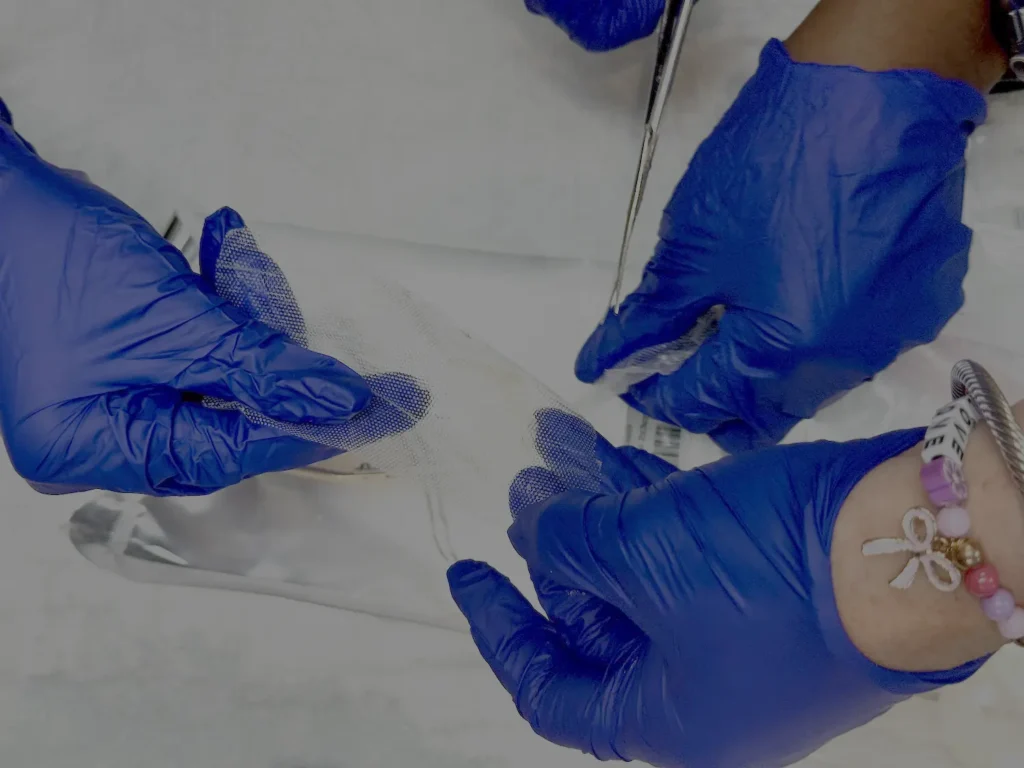
The amniotic membrane (made up of the amnion and chorion layers of the placenta) acts like a bridge for healing. When applied to a wound, it gives the body’s own cells a new surface to move across, helping restart the stalled healing process.
Every wound goes through stages of inflammation, repair, and remodeling. But some wounds get stuck in one of those stages:
- Too little inflammation (from age, malnutrition, or immune issues) can prevent the body from even starting the healing process.
- Too much inflammation keeps the wound “angry” and stuck in a chronic cycle that damages tissue instead of repairing it.
Amniotic grafts help reset that balance. They release natural chemical messengers called cytokines that calm chronic inflammation and signal the body to start building new, healthy tissue.
Key Healing Benefits of Amniotic Grafts:
- Growth Factors: Rich in hyaluronic acid and proteins that encourage cell growth and tissue repair.
- Angiogenesis: Stimulate the formation of new blood vessels — bringing oxygen and nutrients directly to the wound.
- Fibroblast Activation: These “construction crew” cells build new granulation tissue, the foundation for new skin.
- Epidermal Regrowth: Growth factors help skin cells migrate over the wound to close it.
- Collagen & Elastin Production: Strengthen new tissue and minimize scarring.
- Pain Relief: Anti-inflammatory compounds naturally help reduce wound pain.
In short, amniotic grafts give stalled wounds a second chance to heal. They reignite the body’s own repair systems and reduce scar tissue in the process.
At Rebirth, we’ve seen these grafts make a measurable difference. In our most recent data, 98.8% of wounds showed improvement after amniotic graft use, and hospitalizations for wound-related infections dropped to just 1.3%, well below the national average. We believe that’s a strong indicator of both effectiveness and safety when used appropriately.
What Does the Research Say?
Amniotic grafts are not new to healthcare. In fact, they were first reported in use around 1910, specifically for ophthalmological preparations to repair the eye’s surface.
While today’s products are far more advanced, formal research on amniotic grafts for chronic wounds is still evolving. Early studies (and extensive clinical experience) show strong potential for faster healing, lower complication rates, and better patient comfort compared to traditional wound treatments.
Historically, large-scale trials were limited because skin substitutes were viewed as commodities, and the high cost of conducting studies wasn’t justified. That’s changing, though. New, peer-reviewed trials and systematic reviews are increasingly demonstrating that amniotic grafts significantly improve wound closure rates over standard care.
It’s important to note that amniotic grafts are FDA-regulated as human tissue–based products (HCT/Ps), which means they meet strict safety and processing standards, though they are not “FDA approved” in the same way as pharmaceuticals.
The bottom line: the evidence is growing, the outcomes are promising, and ongoing research continues to validate what clinicians have seen for years: Amniotic grafts help chronic wounds heal faster and more safely.
When Do Clinicians Use Amniotic Grafts?
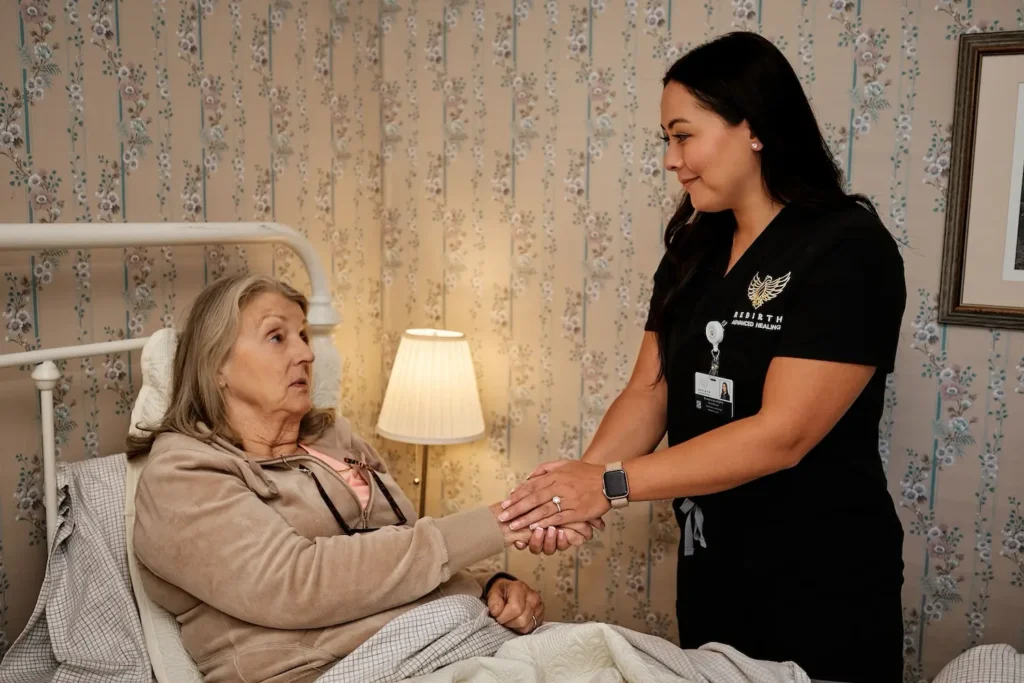
Amniotic grafts aren’t the first step in wound care. They’re the next step when traditional methods stop working.
Before a clinician can use an advanced biologic like an amniotic graft, Medicare and most insurers require the wound has gone through at least 28 days of standard, conservative treatment. During that time, the wound must show less than 50% improvement in size to qualify.
Those first four weeks usually include things like:
- Routine dressing changes
- Compression or offloading (to take pressure off the wound)
- Debridement (removing dead tissue)
- Elevation and wound vac therapy
- Nutritional support and infection control
If the wound still hasn’t improved enough, that’s the moment when an amniotic graft can make a difference.
Clinically, we’ve found that the ideal window for graft use is early in the chronic inflammation phase, roughly between day 28 and day 40. That’s when the wound has proven it needs help, but before long-term tissue breakdown and complications set in.
By introducing the graft at that point, we’re not replacing the body’s natural healing process — we’re jump-starting it. The graft provides a fresh foundation, new growth signals, and the biological “instructions” the body needs to finish what it started.
What Should Patients and Families Know?
As a clinician, I want patients and families to know that there are options beyond “wet-to-dry” dressings, painful weekly debridements, and feeling like nothing is changing.
Advanced wound care, which includes the use of amniotic grafts, can bring real healing and relief right to the patient’s home. These treatments are designed not just to close wounds, but to restore comfort, dignity, and quality of life.
What Patients Should Understand
- You have choices. You’re never required to stay with a single wound care clinic or provider if you’re not seeing progress. Patients can always choose the care team that best fits their needs.
- Not every wound needs to be debrided weekly. Sometimes less is more. If the wound is improving, aggressive debridement can actually slow progress.
- Pain relief matters. When wounds start to heal, pain typically decreases — and that’s one of the first signs treatment is working.
- Healing takes partnership. Grafts aren’t magic on their own. Proper nutrition, pressure offloading, and ongoing provider oversight all play key roles in recovery.
What to Expect
If there’s no improvement after four weeks of graft therapy, treatment usually has to be discontinued per insurance guidelines. Currently, traditional Medicare offers the most consistent coverage for amniotic grafts, though eligibility can vary by region and plan.
Conservative wound care methods still play an important role, and they work well for many people. But when those methods fall short, advanced biologics like amniotic grafts can help patients go that extra mile toward true healing.
At the end of the day, my hope is that patients and families never feel stuck or hopeless. There is help, there are options, and there are people ready to bring healing to you.
Why Rebirth Takes a Different Approach
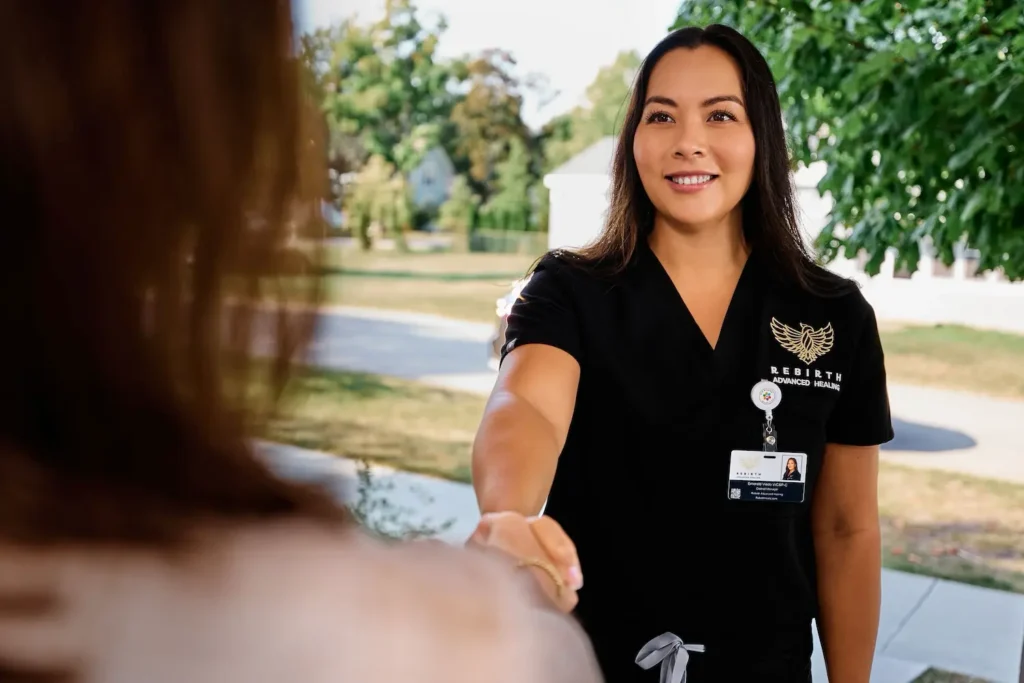
At Rebirth Advanced Healing, everything begins with the patient. Because we’re a physician-owned organization, every decision — from how we select treatments to how long we continue them — is guided by clinical judgment, compliance, and compassion. Not quotas or convenience.
Our licensed clinicians use their expertise to determine when treatment is medically necessary and, just as importantly, when it’s time to pause or discontinue therapy. Every wound tells a story, and we believe in listening to it.
Under current Medicare guidelines, we can treat the same wound with amniotic grafts up to 10 times, as long as it continues to show meaningful improvement in size, tissue quality, and overall healing. In our most recent data, 98.8% of wounds treated with amniotic grafts improved.
After decades in healthcare, I can say it’s rare to see such consistent, measurable outcomes backed by patient satisfaction, strong referral feedback, and real-world success stories. The smiles, the “thank you’s,” and the restored confidence we see in our patients are a reminder that science and compassion work best together.
We view amniotic grafts as a precious, finite resource, and we treat them that way, ensuring rigorous documentation, appropriate use, and holistic education for every patient. It’s this blend of evidence-based medicine and ethical responsibility that makes Rebirth’s approach different, and why our mission will always be centered on helping patients heal safely and completely.
Ready for a New Path of Healing?
When standard treatments just aren’t enough, amniotic grafts offer a safe and advanced option for patients whose wounds have stopped improving, especially when mobility, access, or transportation challenges make regular clinic visits difficult.
At Rebirth Advanced Healing, we’re on the front lines of patient care every day. We see the real-world results of amniotic graft therapy, and we’re committed to turning the latest research into practical, evidence-based treatment that truly helps people heal.
If you or someone you love is living with a chronic wound that won’t heal, know this:
There are options. There is hope. And there’s a team ready to bring care to you. Refer a patient today.